Evaluating the quality of natural material buttons before purchase
1. Understanding Natural Material Buttons
Natural material buttons are crafted from organic materials like wood, shell, or nut, offering aesthetic appeal and eco-friendliness. Understanding their characteristics is essential for buyers looking to balance sustainability with quality. The term "natural" refers to materials that are less processed and biodegradable, which contrasts with synthetic alternatives. With the increasing demand for sustainable fashion, it's crucial to determine what quality indicators set these buttons apart.
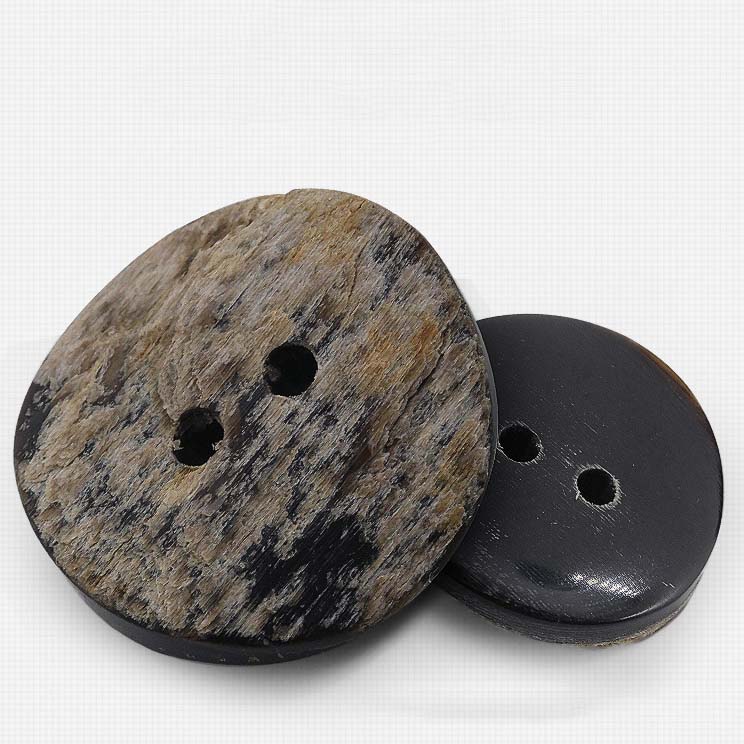
2. Factors to Consider When Evaluating Quality
To ensure you make informed purchasing decisions, consider these principal factors:
Material Origin
Finish and Treatment
Design and Functionality
Size and Weight
Price Point
Material Origin
Buttons made from sustainable materials like sustainably sourced wood or certified shells often indicate higher quality. Look for information regarding their origin and harvesting practices.
Finish and Treatment
Quality natural buttons should have a smooth finish without rough edges, ensuring comfort in wear. Non-toxic finishes should be preferred to uphold safety and sustainability standards.
Design and Functionality
Aesthetics and functionality are equally important; the button should fulfill its purpose while enhancing its surroundings. Check for unique designs and compatibility with the intended garment.
Size and Weight
The button's size and weight can greatly affect its usability. Ensure the specifications align with the project requirements you are working on.
Price Point
Lastly, compare pricing with market averages. Lower prices may indicate inferior quality; therefore, make sure to evaluate cost versus quality effectively.
3. Visual Inspection of Natural Material Buttons
A thorough visual inspection is fundamental when assessing button quality. Here are steps for conducting an effective inspection:
Check for Consistency
Look for Color Variations
Inspect Surface Smoothness
Examine Holes or Attachments
Check for Consistency
Ensure all buttons from the same batch have identical characteristics; inconsistency may indicate lower manufacturing standards.
Look for Color Variations
Natural materials may have slight variations; however, drastic differences could signal poor quality or uneven dye application.
Inspect Surface Smoothness
Smooth surfaces indicate professional workmanship. Check for splinters or rough patches which may cause discomfort.
Examine Holes or Attachments
The holes should be uniformly drilled and adequately sized for sewing; poor hole quality can lead to sewing difficulties.
4. Testing Button Durability
Durability is critical in button selection. Conduct these tests to ensure they can withstand wear over time:
Knock Test
Drop Test
Rub Test
Knock Test
Gently strike the button against a hard surface to check for smooth handling and lack of chips or breaks.
Drop Test
Drop the button from a predetermined height to assess how well it holds up to impact. Durable buttons should remain intact with no visible damage.
Rub Test
Rub the button against a fabric to see if the color bleeds or if it scratches easily. High-quality buttons should maintain their integrity and finish.
5. Sourcing and Certification
Understanding your supplier's sourcing and certification practices is critical for ensuring quality. Look for suppliers who provide transparent practices. Important certifications to consider include:
OEKO-TEX Certified
Forest Stewardship Council (FSC)
Global Organic Textile Standard (GOTS)
OEKO-TEX Certified
This certification indicates that the materials are free from harmful substances, ensuring safety for consumers.
Forest Stewardship Council (FSC)
FSC certification guarantees sustainable forestry practices are adhered to in acquiring wood materials.
Global Organic Textile Standard (GOTS)
This standard is vital for organic materials, ensuring that all processing stages meet environmentally friendly criteria.
6. Conclusion
Evaluating the quality of natural material buttons involves an understanding of several critical aspects from material origin to proper testing. By following the guidelines set forth in this article, buyers can confidently assess the buttons before making a purchase, ensuring that their choices align with both functionality and sustainability goals. For high-quality options, consider checking out offerings from reputable manufacturers like Wiko, where our commitment to quality and natural materials sets us apart.


评论
发表评论